Denver’s Best Caribbean Food for Bold Island Flavors
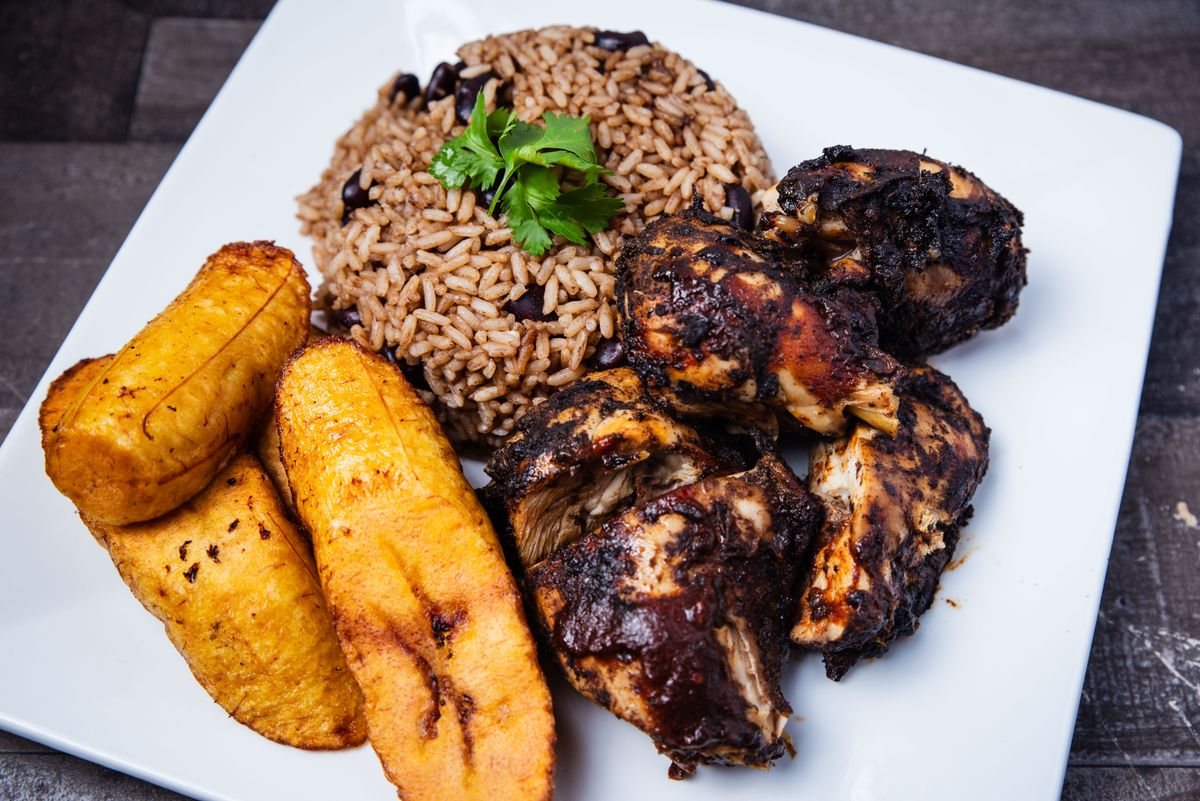
Denver is not the first city most people name when they think about Caribbean cooking, and that is exactly why the local scene can be so rewarding. You do not walk into it with the same expectations you might carry in Miami, Brooklyn, or South Florida. You arrive curious, maybe a little skeptical, then a plate lands in front of you with bronzed jerk chicken, a heap of rice and peas, sweet fried plantains, and a pepper sauce that does not ask for permission. That is usually the moment the city starts to make its case.
The best Caribbean food in Denver is not about imitation tropical décor or vague “island” branding. It lives in the details that matter to cooks and regulars alike: the allspice in the marinade, the patience required to stew oxtails until the collagen turns silky, the texture of properly fried festival bread, the difference between dry heat from jerk seasoning and the slower, fruitier burn of Scotch bonnet. If you know what to look for, Denver offers more than a novelty meal. It offers real range, from Jamaican staples and Cuban comfort food to dishes shaped by Puerto Rican, Dominican, Haitian, and Trinidadian traditions.
That range matters because Caribbean cuisine is not one thing. It is a broad culinary map, shaped by Indigenous ingredients, African techniques, Spanish and British colonial histories, Indian indentured labor, migration, trade, and local geography. The food can be smoky, peppery, citrusy, sweet, starchy, deeply braised, or seafood-driven, sometimes all on one plate. In Denver, where diners are often adventurous and chefs tend to build loyal neighborhood followings, that complexity has room to breathe.
What “best” really means when you are looking for Caribbean food
When people search for caribbean food denver, they are often hoping for a tidy answer, a ranked list, a single place to crown above the rest. That is rarely how this food works in practice. One kitchen may turn out the city’s most satisfying curry goat, with gravy that clings to rice in exactly the right way, but serve a lighter version of jerk than someone raised on pimento-heavy Jamaican barbecue expects. Another may excel at Cuban sandwiches and roast pork while offering only a small menu beyond that. A third may operate more like a takeout counter than a full-service restaurant, yet produce the kind of cabbage, beans, and plantains people think about days later.
So the strongest way to judge Denver’s Caribbean restaurants is by asking a few grounded questions. Does the kitchen cook with conviction, or does it sand off the edges for people who think “island food” should be sweet and mild? Are the sides treated as seriously as the mains? Is the meat tender because it was rushed, or because someone understood how long it needed? Does the spice feel layered or simply hot?
Those standards sound simple, but they separate memorable meals from forgettable ones. Caribbean food is generous, but it is not careless. A good plate should look abundant without feeling sloppy. The aromatics should announce themselves quickly. Thyme, garlic, onion, ginger, scallion, black pepper, allspice, cumin, cilantro, citrus, coconut, and chile each play distinct roles depending on the dish and the island tradition behind it. When a restaurant gets those details right, the food tastes alive.
The dishes that reveal a kitchen’s confidence
If you are new to the category, ordering the right thing can tell you more about a restaurant than reading twenty online reviews. Certain dishes expose technique immediately. Jerk chicken sounds straightforward, but it is one of the easiest things to flatten into something generic. Done well, the seasoning penetrates past the skin, the char tastes intentional rather than burnt, and the meat stays juicy. Oxtail should feel luxurious, not merely heavy. Curry goat should smell warm and complex before the fork even hits the plate. Rice and peas should support the meal, not sit there like filler.
These are the dishes I pay close attention to when evaluating a Caribbean kitchen in Denver:
- Jerk chicken, because balance matters more than raw heat.
- Oxtail, because tenderness and gravy expose patience.
- Curry goat or curry chicken, because spice blending is hard to fake.
- Plantains, because they show whether the kitchen respects timing.
- Rice and peas, because side dishes often reveal the whole standard of care.
A restaurant can still be excellent without every one of those dishes on the menu. Plenty of smaller spots specialize. But if a kitchen serves these staples and handles them well, there is a strong chance the rest of the menu is in good hands.
Why jerk means more than “spicy grilled chicken”
In Denver, jerk is often the gateway order. That makes sense. It is recognizable, deeply flavorful, and easy to crave. It is also one of the most misunderstood Caribbean dishes in the American restaurant landscape. Too many menus treat jerk as a flavor label rather than a method and seasoning tradition with real depth behind it.
Classic Jamaican jerk relies on a core of allspice and Scotch bonnet, usually supported by thyme, scallion, garlic, ginger, and other aromatics. The result should taste herbal, woodsy, warm, and sharp, with smoke playing a major role. Heat matters, but heat alone does not define it. The best versions in Denver tend to come from places that resist the urge to bury everything in sweetness. If the chicken tastes like barbecue sauce with a dash of cayenne, you are not tasting the full character of jerk.
Texture counts too. Good jerk chicken should show evidence of fire. The exterior might be dark and assertive, even a little ragged in spots, while the inside stays moist. If the kitchen serves jerk pork, that is worth serious attention. Pork holds seasoning beautifully and often develops especially rich edges under high heat. In a city like Denver, where outdoor grilling culture is strong and many chefs understand smoke, jerk has real potential when handled properly.
Oxtail, curry, and the slow-food heart of the menu
For all the attention jerk receives, the soul of many Caribbean menus lies in braised and stewed dishes. Oxtail is the obvious example. It is expensive compared with what it used to be, and because of that, weaker restaurants sometimes underportion or rush it. The best versions justify every dollar. The meat should surrender easily without disintegrating into stringy mush. The gravy should be dark, glossy, and concentrated with onion, herbs, and beef richness. Rice is not just a side here. It is a tool for catching what matters most.
Curry goat occupies a similar space. When I see it on a menu, I usually consider it a sign that the kitchen is cooking for people who know what they came for. Good curry goat does not taste dusty or one-note. It should carry earthiness, savoriness, and a rounded spice profile that lingers. The goat itself should taste distinct, not disguised. In colder months, which Denver has plenty of, a proper curry plate can be one of the city’s best comfort meals.
Then there are stewed chicken dishes, brown stew preparations, and peppered gravies that deserve more respect than they get from casual diners. These are not backup options. They are often where cooks show the most finesse. Browning, deglazing, layering aromatics, reducing sauces without making them muddy, these are skilled decisions. In a strong Caribbean restaurant, the slow-cooked menu items often tell you more than the flashy ones.
The sides are not side characters
A lot of diners focus so intensely on the protein that they miss half the experience. Caribbean food is built around interplay. The spicy needs the soothing. The rich needs the bright. The tender needs the crisp. That is where the supporting cast comes in.
Rice and peas, despite the name used in many Jamaican contexts, usually means rice cooked with kidney beans, coconut milk, thyme, scallion, and seasoning. It should smell fragrant the second steam escapes. Plain white rice has its place, especially under saucy dishes, but rice and peas tells you far more about the cook. Cabbage can range from simple and clean to softly braised with carrots and peppers. Plantains, when properly fried, bring caramelized sweetness and almost custardy centers. Macaroni and cheese, especially in Jamaican contexts, can arrive firmer and more casserole-like than some American diners expect. That is not a flaw. It is part of the style.
Festival deserves special mention. These lightly sweet fried dumplings are one of the quiet joys of a Caribbean meal, especially next to jerk chicken or fried fish. The contrast works every time. You get crunch, then softness, then a little sweetness before the spice returns. I have seen many Denver diners order them once out of curiosity and then make them a permanent habit.
Cuban food adds a different register to the city’s Caribbean map
Any serious conversation about Caribbean food in Denver should make room for Cuban cooking, because it changes the emotional tone of the meal. Jamaican food often hits with smoke, heat, and deeply seasoned gravies. Cuban food tends to lean into citrus, garlic, roast pork, pressed sandwiches, black beans, and slow-cooked comfort with a different kind of restraint. It is no less flavorful, just calibrated differently.
A well-made Cuban sandwich remains one of the most satisfying lunches in the city when you can find it done right. The bread needs structure. The roast pork must bring actual moisture and seasoning. The mustard, pickles, ham, and Swiss have to stay in balance. Pressing matters more than many people realize. Too little pressure and the sandwich feels loose. Too much and the bread loses its interior texture.
Beyond sandwiches, look for ropa vieja, picadillo, mojo-marinated pork, and black beans with rice that taste like they were cooked together in spirit, even when served separately. In Denver, these dishes tend to win regulars because they are both vivid and approachable. You can bring a first-timer to a Cuban restaurant with confidence, yet still satisfy someone looking for depth rather than novelty.
Denver’s dining habits actually suit Caribbean cooking
There are practical reasons Caribbean food can work unusually well in Denver. This is a city that appreciates bold seasoning, casual service formats, and meals that feel hearty without becoming monotonous. Diners here are open to heat, but they also care about quality ingredients and thoughtful preparation. That creates room for Caribbean kitchens to serve food with integrity rather than reducing everything to an “exotic” gimmick.
Denver’s climate also shapes cravings in useful ways. On warm days, citrusy marinades, fried fish, plantains, and refreshing sides make perfect sense. When snow rolls in, braised oxtail, curried meats, and rice-heavy plates become ideal comfort food. Caribbean cuisine handles both moods gracefully. It can feel festive and deeply nourishing at once.
There is another factor people often overlook. Denver rewards restaurants that build community through consistency. Caribbean spots that survive and thrive here usually do so because they earn repeat business, not because they rely on destination hype alone. That means the food often settles into people’s weekly routines. A lunch plate becomes a favorite Friday habit. A family meal for four becomes the easiest answer after a long workweek. That kind of loyalty is hard to fake.
How to order if it is your first serious Caribbean meal in Denver
The smartest first order depends on your tolerance for spice and your willingness to share. If you are dining with even one other person, the ideal move is caribbean food denver to build contrast into the table. Get one smoky grilled or jerk item, one braised or curried dish, then add rice and peas, plantains, and a vegetable side. That spread teaches you more in one sitting than three separate solo meals would.
If you are on your own, decide whether you care more about fire or comfort. Jerk chicken gives you the sharper, smokier expression. Oxtail and curry goat pull you into the slower, richer side of the cuisine. If the menu includes patties, especially beef or spicy beef, they are worth trying as a snack or starter. A good patty should have flaky pastry and a filling that tastes seasoned, not merely salty.
One note from experience: ask about heat level, but do not ask a serious Caribbean kitchen to strip all spice out of a dish unless you truly need that adjustment. Heat and flavor are not identical, but in many of these preparations they are interwoven. Pulling one thread too aggressively changes the fabric.
What separates a solid neighborhood spot from a destination meal
The nicest surprise in Denver’s Caribbean scene is that some of the most satisfying meals come from modest settings. You may find them in strip centers, mixed-use blocks, or compact storefronts where the décor is secondary to the steam coming off the trays. That does not automatically mean the food is excellent, but it does mean you should resist judging too early.
These signs usually point in the right direction:
- The house specialties are specific, not generic.
- The sides look fresh and replenished, not tired under heat lamps.
- Staff can explain the food plainly and confidently.
- The aroma near the counter tells you as much as the menu.
- Regulars order quickly because they already trust the kitchen.
The trade-off is that smaller places sometimes run out of top items, especially braises that require long cooking and accurate forecasting. That can be frustrating if you had your heart set on oxtail at 7:30 p.m., but it is often the cost of a kitchen cooking honestly rather than stretching product beyond its best condition. When a restaurant sells out of a labor-intensive dish, I usually take it as a good sign, provided the rest of the menu still shows care.
A few common disappointments, and how to avoid them
Not every search for caribbean food denver ends in a memorable plate. The most common letdown is overgeneralization. Some restaurants use “Caribbean” as a broad marketing term while offering food that lacks a clear culinary center. You might see jerk seasoning next to random seafood platters, burgers, or tacos without any unifying logic. Fusion can work, but only when the underlying technique is sound. Otherwise the meal reads as scattered.
Another disappointment is timid seasoning. Denver diners are more receptive to assertive flavors than some operators assume. When kitchens dilute pepper, skip allspice, underseason beans, or play it too safe with marinades, the meal can taste polite rather than compelling. Caribbean cooking should not always be aggressive, but it should rarely be shy.
Dry chicken is another recurring issue, especially with jerk. The seasoning paste or marinade gets all the attention, while the actual cooking runs too hot or too long. If you have had a few rough experiences, do not let that put you off the category. Seek out places with a strong reputation for grilled meats or high turnover on signature dishes.
The larger pleasure of the meal
What keeps people coming back to Caribbean restaurants in Denver is not just flavor intensity. It is the shape of the meal itself. A good plate carries contrast, generosity, and a kind of emotional directness that many cuisines share but express differently. You can taste smoke, sweetness, starch, chile, herbs, and long-cooked richness in a single sitting without the meal feeling chaotic. The flavors know where they belong.
That balance is why Caribbean food holds up so well for both quick lunches and slower dinners. It can feed a crowd. It can comfort you alone after a hard week. It can introduce cautious eaters to something new without throwing them into the deep end. At its best, it also tells a story about migration, adaptation, and memory without needing to spell any of that out on the menu.
Denver may never have the density of Caribbean options found in older East Coast communities, but that does not diminish what is here. If anything, it sharpens the search. You pay closer attention. You taste more carefully. And when you find a place that nails the spice, the smoke, the braise, the sides, and the welcome, you remember it. That is the real measure of the city’s best Caribbean food. It does not just check a cuisine box. It earns a place in your regular rotation, then lingers in your mind long after the plate is cleared.
Reggae Pot Jamaican Grill
2243 S Monaco St Pkwy, Suite 104
Denver, CO 80222
(720) 410-2956
FAQ About caribbean food denver
What is a typical Caribbean meal?
Caribbean cuisines vary by island. A Jamaican meal might pair jerk chicken or oxtail with sides such as rice and peas, cabbage, or fried plantains.
What is Jamaica’s national dish?
Ackee and saltfish is widely recognized as Jamaica’s national dish. Check the current menu for availability.
Is Caribbean jerk the same as Jamaican jerk?
Jerk is a Jamaican cooking tradition associated with seasoning and slow cooking or grilling. The exact heat level and preparation vary by cook.