The Best Caribbean Food in Denver for Takeout Nights
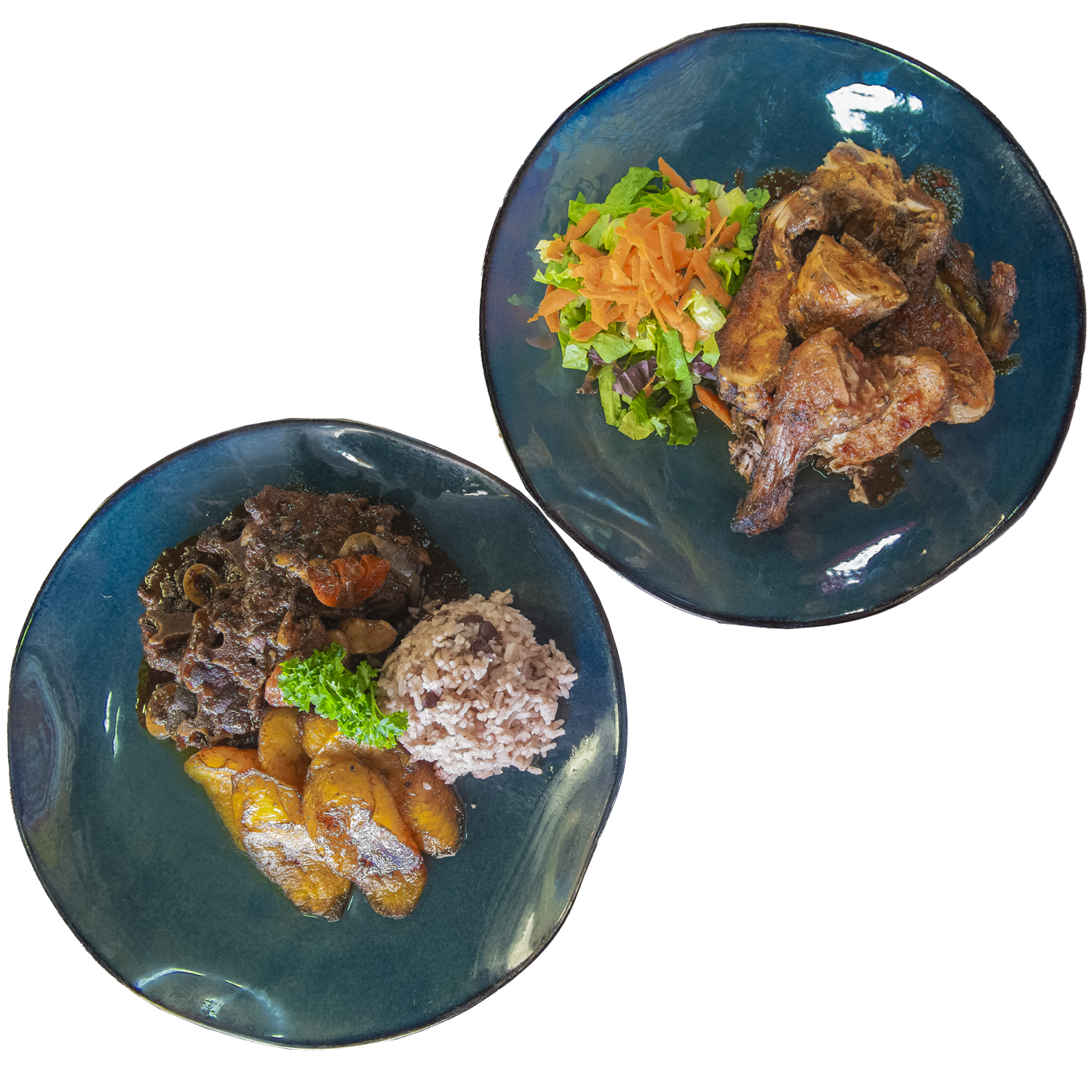
Some cuisines are made for the ride home. Caribbean food is one of them.
A good takeout meal has to survive steam, a twenty minute drive, maybe a quick detour to pick up drinks, and the slight loss of texture that comes from sitting in a closed container. Caribbean cooking handles that better than most. Sauces deepen. Rice keeps its structure. Braised meats stay tender. Even the sides, from fried plantains to cabbage, hold their own if they are cooked with intention. That matters on a weeknight in Denver, when dinner often begins with a phone battery at 8 percent, a hungry household, and weather that can turn from sunny to sleet by the time you reach the car.
When people search for caribbean food denver, they are usually looking for more than a menu. They want something warming, deeply seasoned, and satisfying enough to feel like a real meal, not just a backup plan between errands. They also want to know what actually travels well. That is the difference between a merely good restaurant meal and a truly great takeout night.
Denver’s Caribbean options are not as dense or as varied as what you would find in Miami, Brooklyn, or parts of South Florida. Still, the city has built a credible lane for Jamaican, Cuban, and broader island-influenced cooking, often through small, owner-driven operations that treat spice, braising, and marinades with respect. The best orders tend to come from kitchens that understand two things at once: flavor must be bold enough to survive takeout, and texture must be managed so the food still tastes deliberate once you are eating it from your own table.
What makes Caribbean food such a strong takeout choice
The first reason is structural. Caribbean cooking relies heavily on marinades, stews, long simmers, and layered seasoning. That means the flavor is not sitting on the surface, where it fades during transport. It is built into the meat, the rice, the beans, the gravy. Jerk chicken still tastes like jerk chicken after twenty minutes in a clamshell because the allspice, thyme, Scotch bonnet, garlic, and smoke are already in the flesh. Curry goat does not need to be served immediately to make sense. It improves as it rests.
The second reason is balance. A proper Caribbean takeout plate usually gives you protein, starch, heat, sweetness, and acid in one container or across a few small boxes. Rice and peas absorb sauce without turning mushy. Plantains bring caramelized sweetness that offsets spice and salt. Cabbage, slaw, or pickled vegetables can cut through richness. You do not have to assemble a meal from scattered pieces. It arrives complete.
The third reason is emotional, and anyone who orders takeout regularly knows this matters. Caribbean food feels generous. Even modest portions often eat large because the flavors are full and the cooking has weight. A single tray of brown stew chicken with rice and plantains can satisfy one hungry person with leftovers, or stretch across a low-key dinner for two if there is an appetizer in the mix. For takeout nights, that combination of comfort and value is hard to beat.
The dishes that travel best in Denver
Not every menu item is equally suited to delivery or pickup. In my experience, the strongest Caribbean takeout orders in Denver come from dishes that embrace carryover time rather than fight it. Crispy foods can still work, but they are rarely the safest choice unless you live close to the restaurant.
These are the dishes I would look for first:
- Jerk chicken, especially dark meat, because it stays juicy and keeps its flavor after the trip.
- Oxtail or other braised meats, since the sauce continues to settle into the rice and often tastes even better ten minutes later.
- Curry goat or curry chicken, which hold heat well and reheat beautifully if you save part for the next day.
- Rice and peas with plantains, because the sides are not filler here, they are part of the meal’s balance.
- Beef or chicken patties, which work well as an add-on if you are feeding a group or trying several items.
If I had to choose one ideal order for a cold Denver evening, it would be jerk chicken, rice and peas, cabbage, and a side of plantains, plus a patty if I suspected someone at the table would still be hungry. That combination gives you smoke, spice, starch, sweetness, and something fresh enough to keep the plate from becoming heavy.
Oxtail is the luxurious choice. It is rarely the cheapest item on the menu, and for good reason. It takes time, trimming, and patient cooking to do well. When a kitchen gets it right, though, it is one of the best takeout meals in the city, not just within the Caribbean category. The sauce should be glossy and savory, the meat should pull away with minimal resistance, and the portion should justify the premium. If the oxtail looks pale, thin, or under-sauced, it usually means the kitchen is not leaning into the dish as hard as it should.
Curry goat is the sleeper pick for people who want depth over showmanship. A good one carries warmth and spice without becoming one-note hot. Goat can dry out when rushed or overtrimmed, so the best versions have enough connective tissue and enough sauce to keep every bite interesting. It is one of the smartest things to order if you know some of the meal will be lunch tomorrow.
Jerk is not one thing, and that matters when ordering
Jerk is probably the most recognized Caribbean dish in Denver, but many diners still flatten it into a generic “spicy grilled chicken” category. That misses the point.
Proper jerk lives in tension. It should be hot, but not just hot. It should carry allspice, thyme, garlic, scallion, and often a touch of sweetness beneath the heat. Depending on the kitchen, the finish can lean smoky, herbal, earthy, or charred. Some places serve a drier jerk with crisp edges and deeply seasoned skin. Others go saucier, with extra marinade or a side sauce that turns the rice into part of the main event. Neither style is automatically better. For takeout, though, a lightly sauced or dark-meat jerk often holds up better than a very dry grilled breast, which can stiffen during the drive.
This is one area where practical judgment matters more than food-snob orthodoxy. If you live twenty-five minutes away and your favorite spot’s jerk is best straight off the grill, order a braise instead. If the restaurant packs sauce separately, ask for it. If the menu gives you the option of white or dark meat, dark meat is usually the wiser takeout move. Those are not glamorous tips, but they make dinner better.
The sides decide whether the meal feels complete
People tend to talk about the proteins first, but the sides are often the difference between a decent order and one you remember.
Rice and peas should be fragrant and distinct, not clumped and bland. In many Caribbean kitchens, this is not an afterthought. It carries coconut, herbs, and seasoning that anchor the whole plate. It should be able to stand on its own for a few bites without feeling empty. If the rice tastes like a neutral base with sauce doing all the work, the meal loses some of its identity.
Plantains are another quiet test of quality. Good ones are tender inside, caramelized outside, and sweet enough to soften the edge of spicy meats. Bad ones are either under-ripe and starchy or over-fried to the point of collapse. For takeout, they should arrive soft but not greasy, a small thing that says a lot about how carefully the kitchen handles timing.
Cabbage, slaw, or a vinegary side often gets overlooked until it is missing. Rich Caribbean food needs contrast. Without it, especially on a larger order, the meal can flatten into salt and starch. A scoop of sautéed cabbage or a crisp slaw brings freshness and keeps the plate moving.
Beans, yuca, mac and cheese, festival, and coco bread can all be excellent depending on the restaurant’s style, but these are the items where takeout performance varies more. Fried starches lose their edge fastest. Soft breads can steam in the bag. Mac and cheese can either stay luscious or turn dense. If you are trying a place for the first time, I would start with the most classic, resilient sides and branch out later.
How Denver changes the takeout equation
Geography affects dinner more than people admit. Denver is a driving city. Even short trips can stretch when traffic backs up around rush hour, sports events, or weather. That makes transport durability especially important.
Altitude and dry air also influence how food feels once it gets home. Spicy, smoky dishes can seem a little sharper in dry conditions, while richly sauced plates feel especially comforting during cold months. On winter nights, Caribbean takeout can hit the same emotional notes as a stew or pot roast, but with brighter spice and more personality. In summer, the same food works because the seasonings are lively and the sides keep the meal from feeling too heavy.
There is also the matter of pace. Denver diners often eat later than planned, after commuting in from different neighborhoods or stacking errands on top of work. Caribbean food is forgiving in those gaps. Ten or fifteen minutes on the counter while everyone gets situated is rarely disastrous. Try that with fries or delicate sushi and you are already compromising the meal.
If you are ordering for a group, build for contrast
The smartest group order is not just a pile of meat and rice. It is a set of flavors that keep people curious through the meal.
I like a spread that pairs one smoky item with one braised item and one pastry or snack. Jerk chicken gives you char and heat. Curry goat or oxtail brings depth and sauce. Patties make the meal feel abundant and are easy to share while the mains get set out. Add rice and peas, plantains, and one vegetable side, and most tables are covered.
This is where Caribbean food beats a lot of other takeout categories. You can satisfy the spice-seeker, the comfort-food person, and the diner who wants something a little unfamiliar without needing three separate cuisines. That flexibility is a major reason searches for caribbean food denver tend to spike before weekends and game nights. It feeds mixed groups well.
There are, of course, edge cases. If the group includes people who are heat-sensitive, ask whether the spice is cooked into the dish or served as a finishing sauce. Some jerk is all-in from the start, and no amount of “sauce on the side” caribbean food denver can fully tame it. If you are feeding children, patties, rice, and sweeter sides like plantains are usually easier wins than highly spiced mains. And if someone in the group expects crisp fried textures, set expectations early. Caribbean takeout shines brightest in dishes that are moist, sauced, and built for a container.
How to judge a place after your first order
A single takeout meal can tell you a lot, if you pay attention to the right details.
The most important sign is whether the seasoning feels integrated. Good Caribbean cooking is not just salty or spicy. It has shape. You taste herbs, smoke, sweetness, acidity, and savory depth in sequence or in combination. That is what separates a meal made from recipes someone knows by heart from a meal that gestures at the cuisine without really landing.
Packaging matters too. A restaurant that packs gravy separately when needed, vents fried items, or keeps slaw away from hot food understands takeout as its own craft. This sounds minor until you have had a soggy patty pressed against a container of steaming rice. Good food can survive mediocre packing, but it should not have to.
Portioning is another clue. Caribbean plates should feel intentional, not random. Rice should support the protein, not bury it. Sides should be enough to matter. Sauce should be sufficient to carry through the meal. If a place skimps on gravy, plantains, or the side vegetables, the plate often ends up feeling less composed than it should.
Price deserves context. Caribbean takeout can look expensive if you compare it to fast casual chains by the menu line alone, but the better comparison is to other full meals with slow-cooked proteins and multiple sides. Oxtail will usually cost more than jerk chicken. That is normal. The question is whether the craft shows up in the final dish.
A few practical ordering habits that make the meal better
Most disappointing takeout experiences come down to timing, not cooking. Pick up promptly if you can. Sauced meats are forgiving, but steam is still steam. If you are ordering delivery from farther away, favor braises and curries over anything that depends on crisp skin or fresh-off-the-grill texture.
A few habits help more than people expect:
- Reheat rice with a spoonful of water and a loose cover if it sits too long before serving.
- Keep sauces separate until the last minute when the restaurant gives you that option.
- Move patties or fried sides out of closed containers if you are not eating immediately.
- Order one vegetable or acidic side for every two rich mains.
- Assume leftovers will be good, and order with tomorrow’s lunch in mind.
That last point is especially relevant with Caribbean food. A second-day plate of curry goat or brown stew chicken can be excellent. The spices continue to settle, and the starches often absorb flavor overnight. Not every takeout cuisine rewards leftovers. This one often does.
The real standard for the best Caribbean takeout night
“The best” is always a slippery phrase. It can mean the most authentic, the most generous, the hottest, the smokiest, the best value, or simply the order that satisfies the room you are feeding. For takeout in Denver, I think the standard is more practical. The best Caribbean food is the meal caribbean food denver that arrives with character intact. It should smell vivid the moment the containers open. It should give you at least one dish with depth, one side with sweetness, and one bite that cuts through the richness. It should taste like someone cooked it with memory, not just a checklist.
That is why Caribbean food has such staying power as a takeout choice here. It does not need ideal dining-room conditions to show its strengths. It carries warmth into a cold apartment. It turns a routine Tuesday into an actual dinner. It can feed one person well or spread across a coffee table for friends with very little ceremony.
If you are exploring the caribbean food denver scene for the first time, start with the classics that travel honestly. Jerk chicken, curry goat, oxtail if you want to splurge, rice and peas, plantains, and one bright side to keep things balanced. Pay attention to seasoning, moisture, and packaging. By the second or third order, you will know which kitchen understands the assignment.
And once you find that place, the one where the bag perfumes the whole car and the rice is worth eating on its own, takeout stops feeling like a compromise. It becomes the plan.
Reggae Pot Jamaican Grill
2243 S Monaco St Pkwy, Suite 104
Denver, CO 80222
(720) 410-2956
FAQ About caribbean food denver
What is a typical Caribbean meal?
Caribbean cuisines vary by island. A Jamaican meal might pair jerk chicken or oxtail with sides such as rice and peas, cabbage, or fried plantains.
What is Jamaica’s national dish?
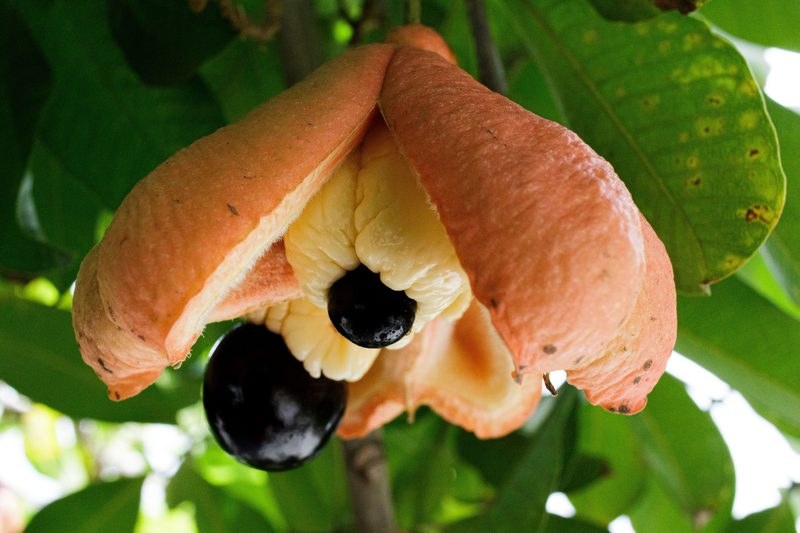
Ackee and saltfish is widely recognized as Jamaica’s national dish. Check the current menu for availability.
Is Caribbean jerk the same as Jamaican jerk?
Jerk is a Jamaican cooking tradition associated with seasoning and slow cooking or grilling. The exact heat level and preparation vary by cook.