Traditional Jamaican Food That Tells a Story
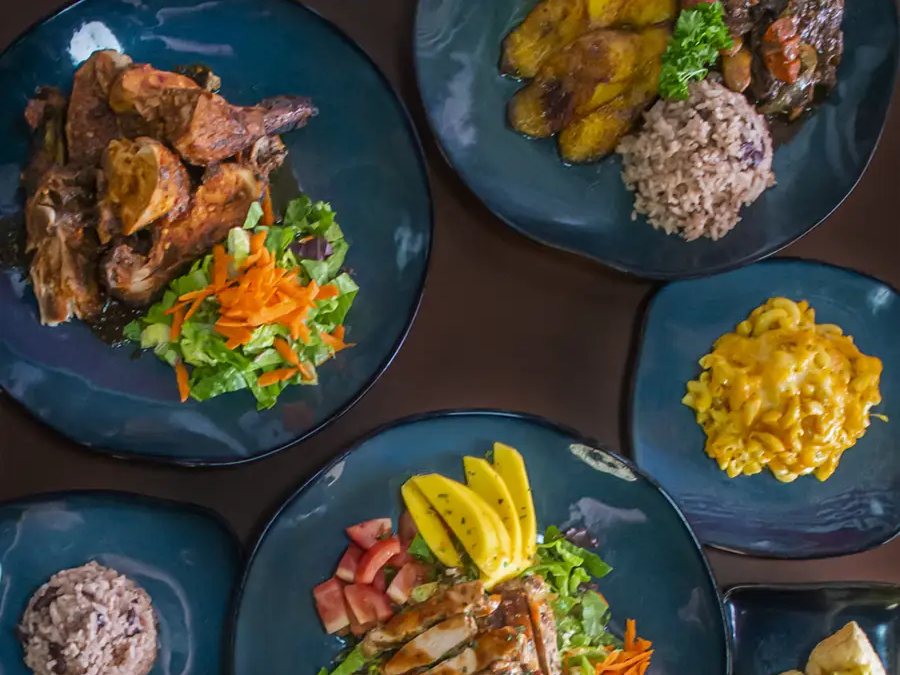
Jamaican food does not sit quietly on the plate. It arrives with smoke, heat, sweetness, pepper, memory, and argument. People debate the right wood for jerk, the proper thickness of porridge, whether festival should lean soft or crisp, and whose grandmother made the best curried goat. Those debates are part of the cuisine itself. Traditional Jamaican food is not just a set of recipes, it is a record of movement, survival, adaptation, and pride.
You can taste the island’s history in a single meal. Indigenous knowledge sits beside African cooking methods, British colonial habits, Indian spices, Chinese influences, and the practical ingenuity of generations who learned to make nourishing food from what was available. Even the most familiar dishes carry layers of social meaning. Some belong to the roadside and the market stall. Some are tied to Sunday dinner, funerals, Christmas morning, or the first catch brought in from sea. Some began as food for the poor and became national emblems. That is often how the strongest food traditions work. They come from necessity first, then become heritage.
The best way to understand Jamaican food is to see it as a conversation between land, labor, migration, and celebration. It is bold, yes, but it is also restrained when it needs to be. A good cook knows that seasoning should deepen the ingredient, not bury it. A skilled hand can make a pot of red peas soup feel as grand as any formal feast.
Ackee and saltfish, the national dish with a complicated past
No dish says more about Jamaica’s layered history than ackee and saltfish. Ackee, with its soft yellow folds and delicate, buttery texture, came from West Africa. Saltfish, usually salted cod, reflects the trade systems of the colonial era, when preserved fish became a staple food because it kept well and traveled cheaply. Put together, they create something more than practical. They create a dish with balance and character.
When cooked properly, ackee should be tender but intact. It should never be mashed into a paste or boiled to death. Saltfish must be soaked enough to remove excess salinity, but not so thoroughly that it loses all personality. The pan often includes onion, scallion, thyme, tomato, black pepper, and Scotch bonnet, though the bonnet is usually handled with judgment. A whole pepper can perfume the dish without making it harsh. That kind of restraint separates experienced cooks from impatient ones.
There is a reason this dish appears at breakfast tables, especially on weekends and holidays. It feels substantial without being heavy. Pair it with fried dumpling, roasted breadfruit, bammy, or boiled green banana, and you begin to see how Jamaican food is built around combinations, not isolated stars. Texture matters as much as flavor. The softness of ackee, the chew of saltfish, the edge of onion, the starch on the side, each part supports the others.
Ackee and saltfish also tells a story about transformation. Two ingredients with separate, difficult histories become something celebratory. That pattern appears again and again in traditional Jamaican cooking.
Jerk is not just a flavor, it is a method and a memory
Outside Jamaica, jerk often gets reduced to a bottled marinade or a vague promise of heat. That misses the point. Jerk is a technique rooted in preservation, smoke, and patient seasoning. Its deep history is tied to the Maroons, communities formed by formerly enslaved Africans who resisted colonial rule and lived in the island’s interior. Cooking meat slowly over pimento wood, seasoning it heavily, and using smoke as both flavor and protection made sense in practical terms. Over time, it became one of the most distinctive forms of Jamaican food.
Proper jerk has layers. Scotch bonnet brings fruit and fire. Allspice, known locally as pimento, gives the warm, almost clove-like backbone that many imitations lack. Fresh thyme, scallion, garlic, ginger, salt, and sometimes a little sweetness round things out. The seasoning should penetrate, not merely coat the surface.
The cooking matters just as much as the rub. Traditional jerk is smoked and roasted over green pimento wood, often in a repurposed steel drum or a pit setup that traps heat and smoke. The result is not simply spicy chicken or pork. It is meat with charred edges, juicy interior, and smoke that sits in the nose even before the first bite.
The social setting matters too. Jerk is roadside food, weekend food, gathering food. It is sold in places where the smoke reaches you before the sign does. A good jerk stand usually has a rhythm of its own, someone chopping meat to order, someone wrapping it in foil, someone arguing cheerfully about whose sauce is better. The accompaniments are part of the ritual. Festival brings sweet contrast. Bread slices or hard dough bread soak up juices. Roasted yam can anchor the meal.
There is also a lesson here about authenticity. Not every authentic dish is frozen in time. Cooks adapt. Gas grills replace pits in some places. Turkey, fish, tofu, and even mushrooms get jerk treatment now. What matters is whether the cook understands the structure of the flavor and the spirit of the method. Technique can evolve without losing integrity.
Rice and peas, Sunday itself in a pot
Ask many Jamaicans what smells like home, and rice and peas will enter the conversation quickly. Despite the name, the “peas” are often kidney beans or gungo peas, depending on the season and the occasion. The dish is less about category and more about process. Coconut milk, thyme, scallion, Scotch bonnet, garlic, and the starchy intelligence of rice create something deeply aromatic and deceptively complex.
This is not plain https://israelpuqx230.theburnward.com/authentic-jamaican-food-dishes-worth-cooking-this-weekend rice with beans stirred through it at the end. The peas are cooked first, and their liquid helps build the pot. Coconut milk enriches the grains. The herbs and pepper infuse without always overwhelming. Good rice and peas should be separate, not mushy, but it should not feel dry. It should carry the fragrance of the pot long after the lid comes off.
Its place at Sunday dinner is no accident. Sunday lunch in many Jamaican households is not rushed fuel. It is ceremony. Rice and peas often arrives alongside chicken, oxtail, curried goat, stewed beef, or fish. The table becomes a family map, with recipes, habits, and preferences passed down in ordinary conversation. Someone always thinks the rice needs more coconut. Someone else wants less pepper. That is how culinary knowledge survives, through repetition, correction, and taste memory.
Ground provisions and the intelligence of the land
One of the most important ideas in Jamaican food is the use of what are commonly called ground provisions. Yam, sweet potato, cassava, coco, dasheen, and green banana are not side notes. They are central. They fill the belly, hold heat, and pair beautifully with salt fish, steamed fish, rundown, or soups.
These foods reveal the practical intelligence of the cuisine. Tropical islands do not cook the way cold northern climates do. Ingredients must suit the land, the weather, the labor of daily life. Boiled green banana with yam can seem plain to the uninitiated, but in the right meal it is perfect, especially with a sharply seasoned fish dish or a rich sauce. The starch quiets the salt, tempers the spice, and makes the meal sustaining rather than flashy.
Breadfruit deserves special mention. Roasted over open flame until the skin blackens and the inside turns fragrant, it can be split open and served with ackee, mackerel, or simply butter. Its texture sits somewhere between potato and fresh bread, though that comparison never fully captures it. Breadfruit carries history too. It was introduced to the Caribbean through colonial systems that treated food as labor management. Yet Jamaicans made it their own, building comfort and flavor around it in ways that outlasted the structure that brought it there.
Soup as medicine, hospitality, and status
In Jamaica, soup is rarely an afterthought. It can be a full event, especially on Saturdays. A pot of red peas soup, chicken foot soup, mannish water, or fish tea says something about care, thrift, and the seriousness of feeding people well.
Red peas soup is a standout because it holds so many Jamaican habits in one pot. Kidney beans create body. Coconut milk can appear, though not every household uses it the same way. Dumplings, yam, pumpkin, and sometimes salted meat build depth. The soup thickens as it cooks, becoming almost a stew by the time it is ready. It is hearty without feeling coarse.
Fish tea offers a different lesson. Despite the name, it is not tea in the conventional sense but a clear, savory broth made with fish, herbs, and seasonings. It can be bright, peppery, and restorative. Good fish tea should taste clean and alive, never muddy or overcooked. It is often served as a starter, but it carries enough pride to stand on its own.
Mannish water, traditionally made with goat parts and assertive seasoning, appears often at gatherings and celebrations. It has a reputation beyond its flavor, tied to folklore about vigor and stamina. Whether one believes those claims is almost secondary. The important point is that certain dishes carry stories people repeat because the meal is also a social performance.
Curry, migration, and the Jamaican instinct for adaptation
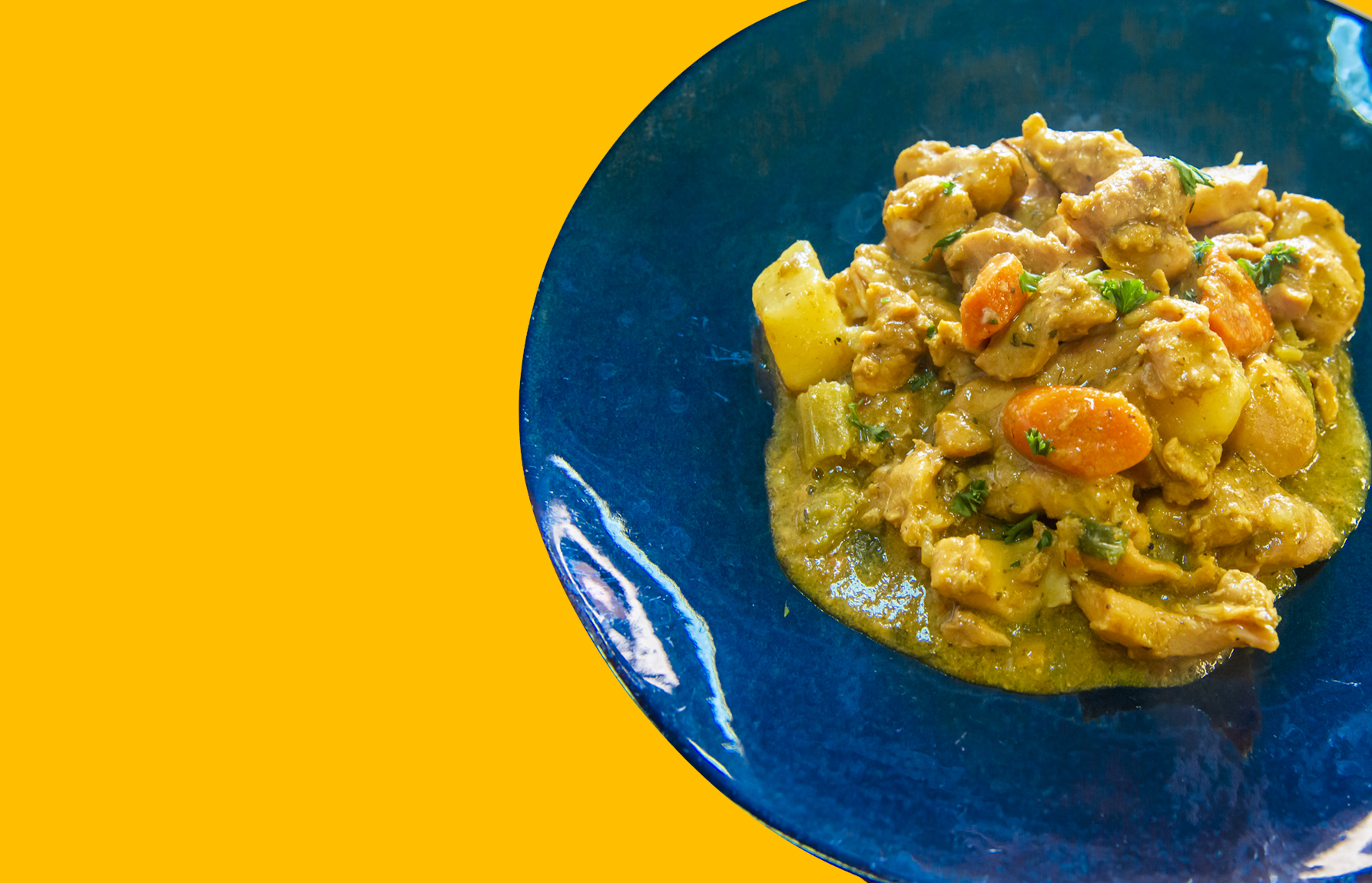
Indian indentured laborers brought curry traditions to Jamaica in the nineteenth century, and Jamaicans adapted them with confidence. Curried goat is the most famous example, though curried chicken, shrimp, and vegetables are common too. What makes Jamaican curry distinct is not just the powder but the whole style of seasoning and cooking around it.
Goat is usually marinated with fresh herbs, garlic, scallion, onion, Scotch bonnet, black pepper, and curry powder before it ever reaches the pot. Many cooks “burn” the curry in oil first, blooming the spice mixture so it deepens in flavor rather than tasting raw. That step matters. Then comes slow cooking, enough time for connective tissue to soften and the sauce to turn rich and clingy.
Curried goat often appears at weddings, parties, funerals, and major family gatherings. It is festive food, but it is also food that asks for skill. Goat can turn tough if rushed. The spice can taste flat if the seasoning is not layered properly. This is where experience shows. A seasoned cook knows when the pot needs more water, when the flame is too aggressive, and when the gravy has moved from thin to glossy.
This pattern of borrowing and remaking is central to Jamaican food. The cuisine does not merely absorb outside influences. It refines them, bends them, and speaks back through them.
Patties, coco bread, and the poetry of eating on the move
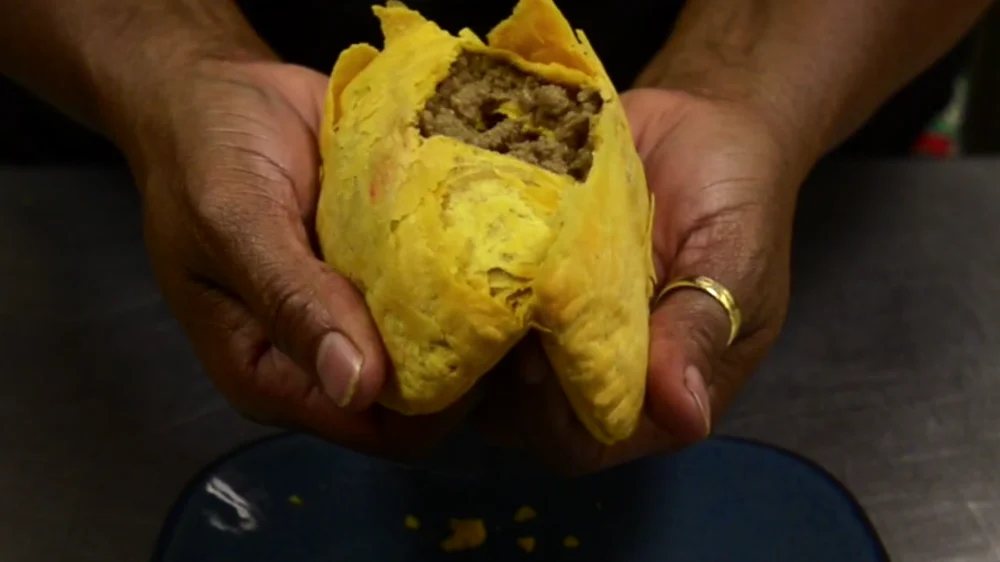
Not every traditional food needs a tablecloth. Jamaican patties carry just as much cultural weight as a formal Sunday spread. The ideal patty crust is lightly flaky, often tinted yellow from turmeric or curry, and sturdy enough to hold a savory filling without collapsing. Beef is the classic, but chicken, vegetable, lobster, shrimp, soy, and ackee versions all exist.
A good patty should have a filling that is juicy yet contained, highly seasoned without becoming salty mush. The crust must offer a slight snap before it gives way. Temperature matters more than people admit. A patty eaten hot, fresh from the oven or warmer, is a different creature from one that has sat too long.
Slip that patty into coco bread, and you have one of the most practical and beloved combinations in Jamaican food. The soft, slightly sweet bread catches crumbs and juices, turns a snack into a meal, and satisfies in a way that is almost disproportionate to its simplicity. This is commuter food, school lunch food, bakery food, beach food. It tells a modern story about movement, convenience, and the enduring value of a well-made handheld meal.
Rundown, escovitch, and the island’s coastal voice
Fish dishes tell another side of Jamaica’s story, especially in coastal communities. Rundown, often made with mackerel, salt fish, or fresh fish, is simmered in seasoned coconut milk until the sauce cooks down and clings. The name comes from the reduction itself, the liquid running down to a concentrated, savory richness. With boiled green banana or dumpling, it becomes one of the most satisfying meals on the island.
Escovitch fish offers a different profile. Fried fish, often crisp and deeply browned, is topped with a sharp dressing of vinegar, carrots, onions, and Scotch bonnet. The acid cuts through the richness of the fry and extends the life of the dish. It reflects preservation logic as much as taste preference. In hot climates, souring techniques are not just culinary flair, they are practical.
There is a discipline to frying fish well. The oil must be hot enough to crisp the skin but not so hot that the outside burns before the flesh cooks. The fish should be seasoned properly, often with a few strategic slashes so flavor can enter. Escovitch vegetables should keep a bit of bite. If they go limp, the dish loses tension.
Sweet things, morning rituals, and the softer register of tradition
People often focus on the heat and savoriness of Jamaican food, but the sweeter, gentler side of the cuisine deserves equal respect. Cornmeal porridge is one of the most familiar breakfast dishes, enriched with spices like cinnamon and nutmeg, sometimes with coconut milk, condensed milk, or vanilla. Done badly, it can be gluey. Done well, it is silky, fragrant, and deeply comforting.
There is an art to avoiding lumps, an art to the simmer, and an art to sweetness. Porridge should taste rounded, not crude. It is breakfast, yes, but it is also memory food. Many adults can describe exactly how it smelled in the kitchen before school, or the specific spoon used to stir it.
Then there are fried dumplings, bulla, toto, gizzada, grater cake, and sweet potato pudding. Sweet potato pudding in particular carries the old phrase “hell a top, hell a bottom, and hallelujah in the middle,” referring to its darkened top and bottom crust with a soft interior. It is one of those lines that reveals how food and language travel together. Recipes are remembered because their names, jokes, and sayings stick.
Rum cake and sorrel at Christmas bring another rhythm altogether. The season has its own menu, and that menu has emotional force. Sorrel, steeped with ginger and spices, tastes festive in a way that is impossible to separate from the time of year.
Why authenticity in Jamaican cooking is rarely rigid
One of the most useful things to understand about traditional Jamaican food is that authenticity is rarely a matter of one fixed recipe. It is better understood as a range bounded by method, taste, context, and memory. Two sisters raised in the same house may cook rice and peas differently. One may add more coconut milk. The other may use less thyme. Both can be right.
That does not mean anything goes. There are limits. If jerk lacks pimento and smoke entirely, it may still be tasty, but it drifts away from its roots. If ackee is mishandled to the point of mush, most Jamaicans will not call that a success. If curry tastes only of commercial powder with none of the fresh seasoning that gives Jamaican cooking its life, something essential is missing.
But within those boundaries, there is room. Diaspora kitchens improvise with what is available. Families adjust for health needs, ingredient shortages, or regional habits. Some dishes become lighter, some richer, some spicier. Tradition survives not because it never changes, but because people care enough to carry its structure forward.
What these dishes really preserve
Traditional Jamaican food preserves more than flavor. It preserves labor patterns, celebration customs, migration routes, market habits, agricultural knowledge, and family identity. It keeps old ingredients in circulation and old techniques in conversation. It teaches patience in an age that prefers speed. You cannot rush a proper stew, a Saturday soup, or a serious pot of rice and peas. You cannot fake the smell of pimento smoke with branding.
That is why the food continues to matter far beyond tourism menus or social media snapshots. It tells stories of hardship without reducing itself to hardship. It tells stories of joy without pretending joy came easily. A plate of jamaican food can be festive, but even at its most exuberant it remains grounded in real experience, in fields and fishing grounds, in market stalls and family kitchens, in migration and return.
The most memorable traditional dishes do what all enduring food does. They feed the body, certainly. But they also locate a person in a line of inheritance. They say, this is where we have been, this is what we made from what we had, and this is how we remember each other.
Reggae Pot Jamaican Grill
2243 S Monaco St Pkwy #104
Denver, CO 80222
+1 720-410-2956
FAQ About jamaican food
What is the best Jamaican food to try in Denver?
The best choice depends on your tastes. Popular options include jerk chicken, curry goat, slow-cooked oxtail, and savory patties. Reggae Pot lists these dishes on its menu, with sides such as rice and peas and plantains. Ask the Denver team about current availability and spice levels.
Is Jamaican food very spicy in Denver?
Heat varies by dish and preparation. Jerk seasoning often includes scotch bonnet peppers alongside herbs and allspice, while other dishes may have gentler seasoning. Ask about the heat of the specific dish and any sauce before ordering.
What are some popular Jamaican snacks?
Jamaican patties are a popular snack made with flaky pastry and savory meat or vegetable fillings. Other options include fried dumplings and festival, a sweet fried dough often served with savory dishes. Availability varies, so check the current menu when ordering.